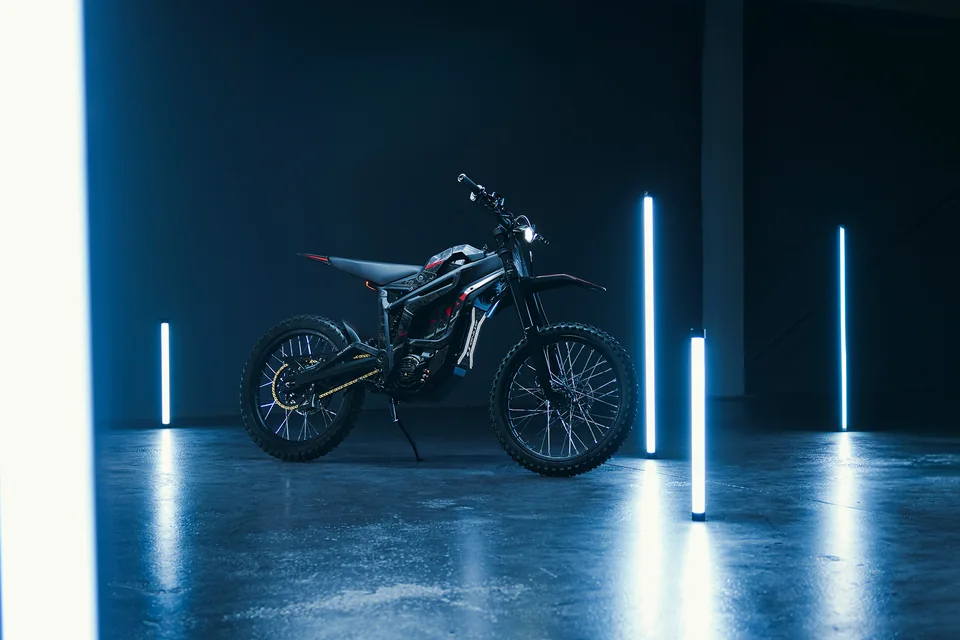
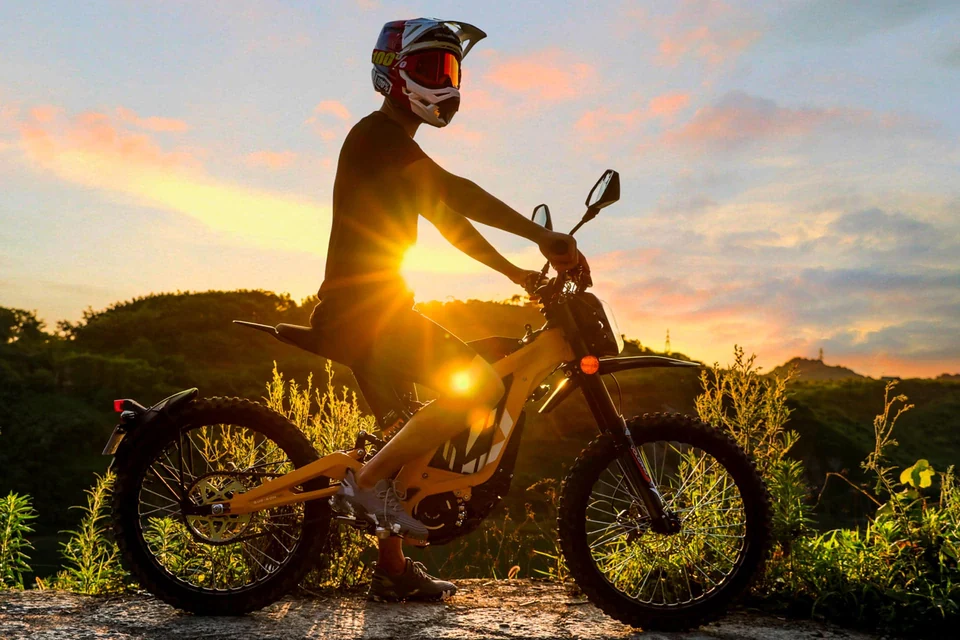
Plein Watt Moto / Comparisons
Light Bee 2 vs. E Ride Pro SR: More Than Peak Power
Checked
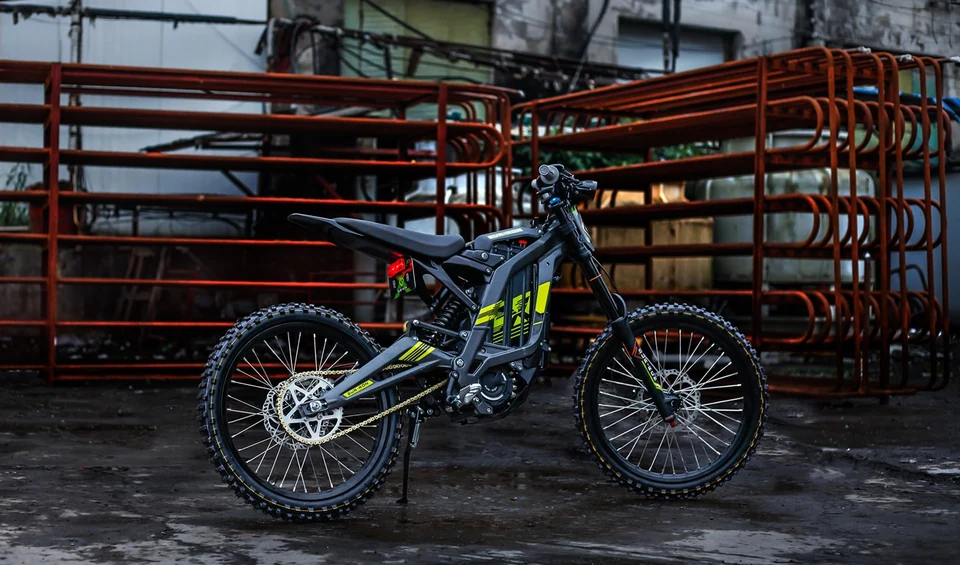
Sur-Ron Light Bee 2 and the 2025 E Ride Pro SR have similar claimed peak power but different weights. Understand the practical trade-offs.
The key specifications
On mobile, scroll the table horizontally.
| Criterion | Sur-Ron Light Bee 2 | E Ride Pro SR |
|---|---|---|
| Version / market | 2026 · Canada / New Zealand | 2025 · United States |
| Advertised output | 24 kW | 25 kW |
| Battery | 78.54 V · 45 Ah | 72 V · 50 Ah |
| Nominal energy | 3.53 kWh | 3.60 kWh* |
| Claimed weight | ≈ 65 kg | ≈ 83 kg |
| Seat height | 830 mm | 830 mm |
| Front / rear wheels (inches) | 19 / 18 | 19 / 18 or 19 / 16 by version |
| Useful detail | Compact chassis, SRTC, removable battery | Removable Samsung 50S battery |
| Reference specification | Sur-Ron Canada — Light Bee 2 (2026) | E Ride Pro — Pro SR (2025) |
Look beyond a one-kilowatt difference
The Light Bee 2 claims 24 kW in Turbo mode, while the 2025 E Ride Pro SR lists 25 kW peak. Reducing the choice to that one-kilowatt gap ignores weight, size, and how power is delivered. The SR has the higher advertised peak figure here, but that alone does not make it the better purchase.
We compare the 2026 Light Bee 2 with the 2025 SR on E Ride Pro’s U.S. website. Wheels and equipment can vary between offers. Have the seller confirm the delivered configuration instead of relying on a generic photograph.
Weight may matter more than peak output
Sur-Ron lists approximately 65 kg; the SR is listed at 183 lb, or about 83 kg. The selected specifications therefore differ by roughly 18 kg. This helps assess loading, moving the bike, and managing it at a standstill. It is not a measured comparison of trail agility.
For some buyers, the Light Bee 2’s compact format will matter more than maximum power. Others may prefer the SR’s ergonomics and specific equipment. Try the riding position in your protective gear before deciding which package fits.
Similar nominal battery energy
The Light Bee 2 lists 3.53 kWh. The SR’s 72 V, 50 Ah battery gives a calculated 3.60 kWh nominal. That small difference does not establish a range winner without a shared test protocol. Pace, elevation, and tires all affect consumption.
Do not compare amp-hours alone: 45 Ah and 50 Ah are not directly comparable when voltages differ. Kilowatt-hours are a more useful energy measure. They still do not promise that every unit of nominal energy is available in every condition.
Questions that separate two quotes
Ask about warranty terms in your country, the cost of a compatible battery, diagnostic support, and wear-part references. Check wheel sizes, tires, and available adjustments. A bike that fits better or has stronger local support can be the better choice even if its peak output is lower.
Our interpretation: the Light Bee 2 offers an interesting combination of compact size, lower claimed weight, and high peak power. The SR is a powerful alternative with similar nominal battery energy. Calling them identical or declaring a universal winner would hide the trade-offs that actually matter.
Sources and method
A documentary story. Sources for this issue were consulted September 18–19, 2026. Interpretations are editorial; cited creator tests are attributed to their authors. Plein Watt Moto does not claim to have conducted riding tests.
Watch on YouTube
Third-party videos · In English · Shown versions may differ from the specifications compared.

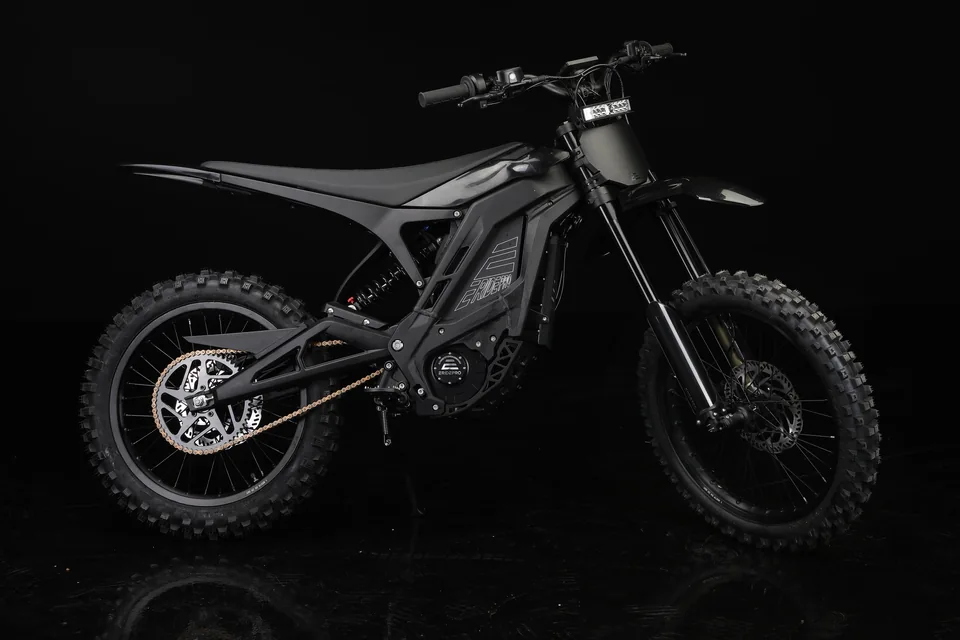
2025 E Ride Pro SR | First Ride & Unboxing
An introduction to the 2025 E Ride Pro SR, including the creator’s unboxing and first ride.
Open on YouTube ↗The YouTube player loads only when requested. A direct link remains available if embedded playback is restricted.