Plein Watt Moto / Comparisons
Sur-Ron Light Bee 2 vs. Talaria Sting Pro: Reading the Differences
Checked
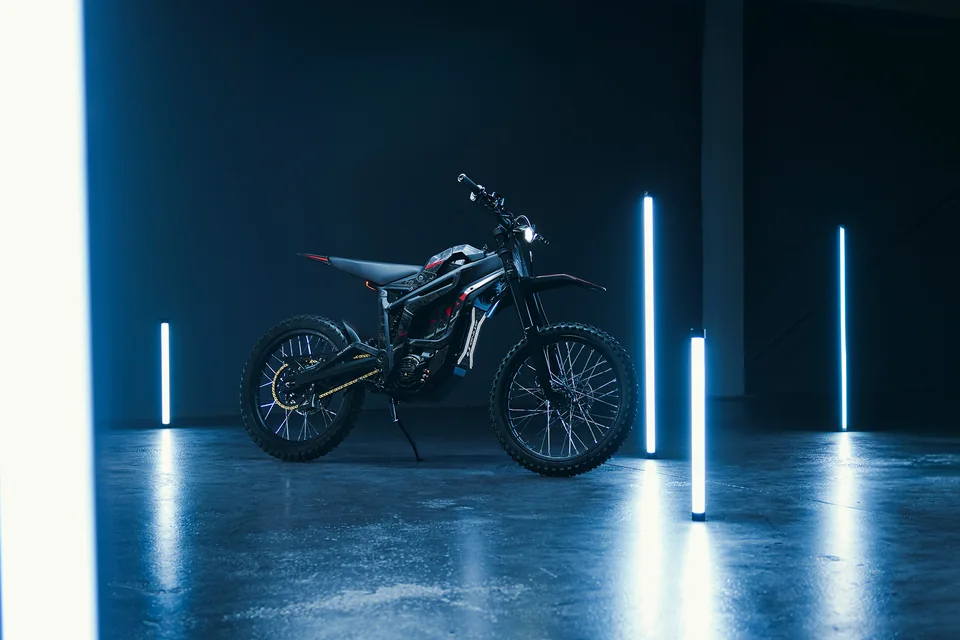
2026 Light Bee 2 vs. Talaria Sting Pro TL5500: compare power, battery energy, drivetrain, and the questions that matter before buying.
The key specifications
On mobile, scroll the table horizontally.
| Criterion | Sur-Ron Light Bee 2 | Talaria Sting Pro TL5500 |
|---|---|---|
| Version / market | 2026 · Canada / New Zealand | UK distributor specification |
| Advertised output | 24 kW | 13 kW |
| Battery | 78.54 V · 45 Ah | 72 V · 40 Ah |
| Nominal energy | 3.53 kWh | 2.88 kWh* |
| Claimed weight | ≈ 65 kg | Not specified by this source |
| Seat height | 830 mm | Not specified by this source |
| Front / rear wheels (inches) | 19 / 18 | 19 / 19 |
| Useful detail | Compact chassis, SRTC, removable battery | Gearbox transmission, inverted fork |
| Reference specification | Sur-Ron Canada — Light Bee 2 (2026) | Talaria UK — Sting Pro TL5500 |
Identify the actual versions first
“Sur-Ron or Talaria?” is too broad a question for a confident purchase. Both brands have several generations. This guide compares the 2026 Light Bee 2 with the Sting Pro TL5500 described by Talaria UK. Figures from an older Light Bee X or a different Talaria in a video do not belong in the same comparison.
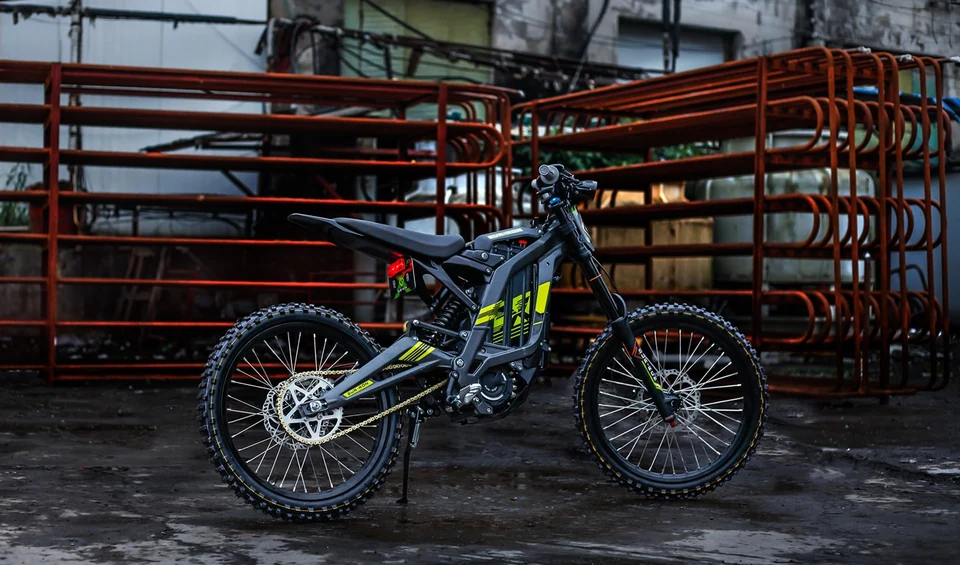
That precision lets us discuss Sur-Ron’s strengths fairly: the current Light Bee 2, its removable battery, and its SRTC system, without assigning those features to every Sur-Ron. Talaria’s UK listing highlights a gearbox, inverted fork, and hydraulic brakes.
What the specifications can tell you
The Light Bee 2 claims 24 kW peak in Turbo mode; the TL5500 page lists 13 kW. The advertised gap is clear, but peak values do not replace riding both at a comparable pace. Power availability, settings, and low-speed response still need evaluation.
Sur-Ron lists 3.53 kWh of battery energy. Talaria’s 72 V and 40 Ah give a calculated nominal 2.88 kWh. This compares energy, not guaranteed distance. Planning a ride also requires information about terrain, rider, and speed. Our selected Talaria source does not state weight; we do not fill that gap with a figure from another version.
Ask specific drivetrain and support questions
Discuss the transmission with the seller. Request the model’s maintenance schedule, part numbers for wear items, and jobs that require a workshop. A video calling a bike “maintenance-free” is no substitute: tires, brakes, bearings, and suspension still need attention.
When comparing offers, also ask about delivery times for a compatible replacement battery, diagnostic support, and consumable prices. These are local details a manufacturer specification cannot guarantee. They can matter more to ownership than a short equipment list.
How to build your shortlist
On paper, the Light Bee 2 combines high peak output with a documented compact format. That makes it an interesting Sur-Ron option for riders who value those qualities. Assess the Talaria as a distinct package with its own architecture and the distributor’s actual support terms.
Request a quote identifying model year, battery, included equipment, and any road approval. Then try the riding position. Our editorial focus on Sur-Ron does not remove the need to check personal fit and support availability in your area.
Sources and method
A documentary story. Sources for this issue were consulted September 18–19, 2026. Interpretations are editorial; cited creator tests are attributed to their authors. Plein Watt Moto does not claim to have conducted riding tests.